

Uber Pulls in a Former NTSB Chair to Boost Safety After a Tragic Crash
Uber Technologies just announced that it’s bringing a heavyweight into its safety squad after the fatal crash that killed a woman in Tempe, Arizona. The driverless car’s software apparently misjudged, letting a pedestrian slip past without a brake‑pedal response. Now the company is pulling out all the stops to make sure this doesn’t happen again.
Why This Matters
- Crash Recap: On March 18, an Uber autonomous vehicle plowed into a 49‑year‑old woman crossing a street, resulting in her death.
- What Went Wrong: According to The Information, the vehicle’s sensors spotted the pedestrian, but the decision‑making software decided that a reaction wasn’t urgent—human error or software glitch? The details are under NTSB scrutiny.
- Immediate Response: Uber halted all autonomous testing following the incident.
- New Safety Initiative: The company is now conducting a “top‑to‑bottom” safety review and has enlisted former NTSB Chair Christopher Hart as a safety advisor.
What Uber Said
“We have initiated a full safety review of our self‑driving program and brought on Christopher Hart to help shape our safety culture,” Uber announced.
“It’s a thorough review—from system safety to driver training processes, and we’ll share more updates soon.”
Who’s Christopher Hart?
Hart previously chaired the NTSB and now leads the Washington‑area MetroRail safety commission. Uber’s pivot to hire him underscores the company’s commitment to learning from past mistakes and fortifying its safety protocols.
The Video Footage
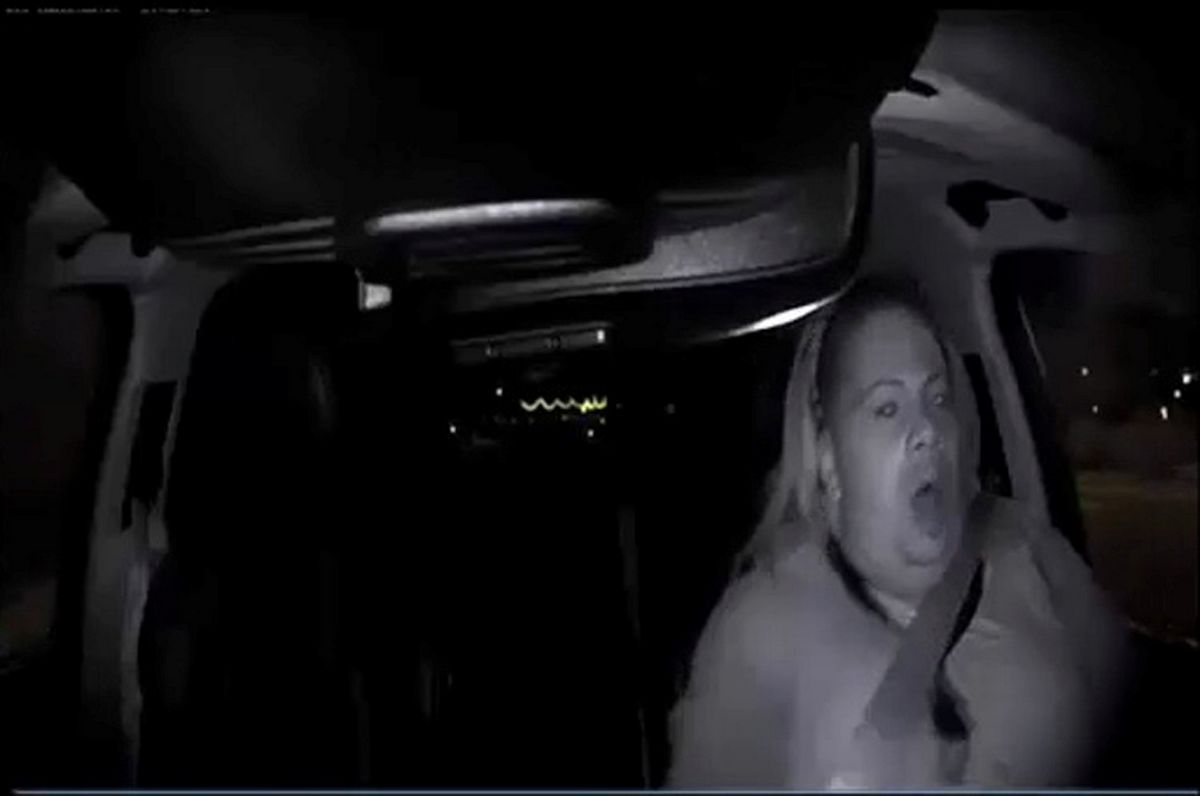
A police‑released video shows the Uber vehicle approaching the woman with no braking. Below the wheel, a human driver appears distracted, eventually snapping out of it after recognizing the imminent collision.
In short, Uber is taking steps to get back on track, promising a more careful approach to its driverless ambitions. Whether this guarantees safer streets, time will tell—just don’t kiss the steering wheel if you’re wired to the future.
What’s Up With the Uber Crash in Arizona?
First up: The NTSB is on the case
The National Transportation Safety Board is gearing up to drop a preliminary report in the next few weeks. That means there will be more details on who or what caused the mishap.
Second: NHTSA’s side of the story
The National Highway Traffic Safety Administration is also poking around. They’ve opted to stay mum for now—no comments, no confirmations.
Expert take: Bryant Walker Smith’s insights
Dr. Bryant Walker Smith, a self‑driving car whiz from the University of South Carolina, fired back in an email. He pointed to a neat query raised by The Information: maybe Uber’s software spotted something but decided it wasn’t a human. “It could have thought there was a low chance it was a person,” he told us.
Why that matters
Misreading a pedestrian as something else is big news in the world of autonomous drivers. Smith says:
- False positives and negatives are a perennial headache for self‑driving technology.
- But a pedestrian crossing the street? “That’s not a flukey, edge case.” It’s a basic move that any decent automated car should spot.
Bottom line
There’s still a cloud of mystery over the crash, but the board’s forthcoming report will shine a light. Stay tuned, folks—auto‑driving’s got a lot of brain‑power left to work on!

Self‑Driving Cars: Dream, Danger, or Just a New Drill?
Uber’s CEO Keeps the Baby’s Drive Alive
Last April, Dara Khosrowshahi, Uber’s charismatic chief, told reporters, “autonomous (vehicles) at maturity will be safer.”
He waved off the messy headlines from a recent fatal Uber crash, insisting the point of the whole thing is still a hopeful future, not a doom‑scroll.
Why the Road Is Still Rough Around the NTSB
- David Hart, NTSB chair, has the full weight of history on his shoulders. He was the man who opened a probe into the 2016 Tesla deaths involving the slick Autopilot system.
- Hart’s tough truth: there’ll be crashes, and some will be fatal. He summed it up, “There will be fatal crashes, that’s for sure.”
- Yet, he constantly reminds the world that “perfect” doesn’t exist and “the move toward driverless cars shouldn’t be derailed.” His optimism is a serious counterpoint to the caution that keeps many heads down.
The debate is intense, the debate is messy, but it’s impossible not to feel a little hopeful. We’re standing at the crossroads between current reckless journeys and a future where “accidents” is just a buzzword from the past. The road to a completely driverless world is still under construction, but the builders keep humming the tune of progress, jamming into our headphones with an upbeat beat.


