

Fashion’s Green Revolution: From Recycled Everything to Upcycled Nylon
When H&M pulls a trick from the recycling bin and Prada turns old nylon into chic wardrobe staples, the runway’s green flag is waving loud and proud. The industry’s taking its next big steps toward sustainable style.
What Exactly Is “Sustainability”?
- Brand Durability: Keeping the business humming without burning through resources.
- Eco‑friendly Craft: Designing clothes that don’t leave a nasty ecological footprint.
- People Power: Protecting the hardworking artisans behind the scenes.
Cheeky Case Study: Chanel’s Metiers d’Art
Since 1984, Chanel has been loving its “Metiers d’Art” line—a nod to timeless hands that shape every elegant piece. The label’s mission? Save those craftspeople’s skills, just like we’d keep our grandma’s secret cookie recipe safe.

Our Barehands: Turning Fashion Into a Reality‑Check for the Planet
Meet the crew that’s making the fashion world a little bit kinder, one stitch at a time. In the bustling streets of Singapore, a for‑profit social enterprise called Our Barehands was born in 2019 by a trio of innovators: Chanel Go, Germaine Lye, and Mitchell Zachariah. Their mission? Blend style with sustainability while giving a boost to artisans who’ve been handed a hard hand by the economy.
Where the Magic Happens
Our Barehands isn’t just a brand – it’s a community. They partner with skilled craftspeople from all corners of the globe to craft premium clothing and accessories. The result? A line of items that look great and feel good, because each piece carries the story of a maker. And here’s the twist: they do more than just sell. They upskill these artisans, ensuring the craft doesn’t fade into the background as trends shift.
What’s in the Pipeline?
- Sustainability To The Core – Every design is tested for eco‑friendliness.
- Workshops & Learning – The founders open their doors for training sessions that turn traditional techniques into modern masterpieces.
- Collaborations Galore – From local Chiang Mai weavers to Nairobi beaded jewelers, the team keeps the creative juices flowing.
- Future‑Proofing Craft – By preserving skills, they’re building a heritage that will stand the test of time.
In Their Own Words
“We’re here to prove that good looking can also mean good thinking,” says Chanel.
“Every stitch is a promise – to the planet, to people, to future artisans,” adds Germaine.
Mitchell sums it up: “We’re building a brand, but more than that, we’re nurturing a movement.”
So next time you scroll through a runway look or binge a fashion documentary, keep this: behind every glossy dress, there might be a story of skill, heritage, and gentle care for our planet. And with Our Barehands driving the revolution, that story is not only stylish – it’s sustainable.
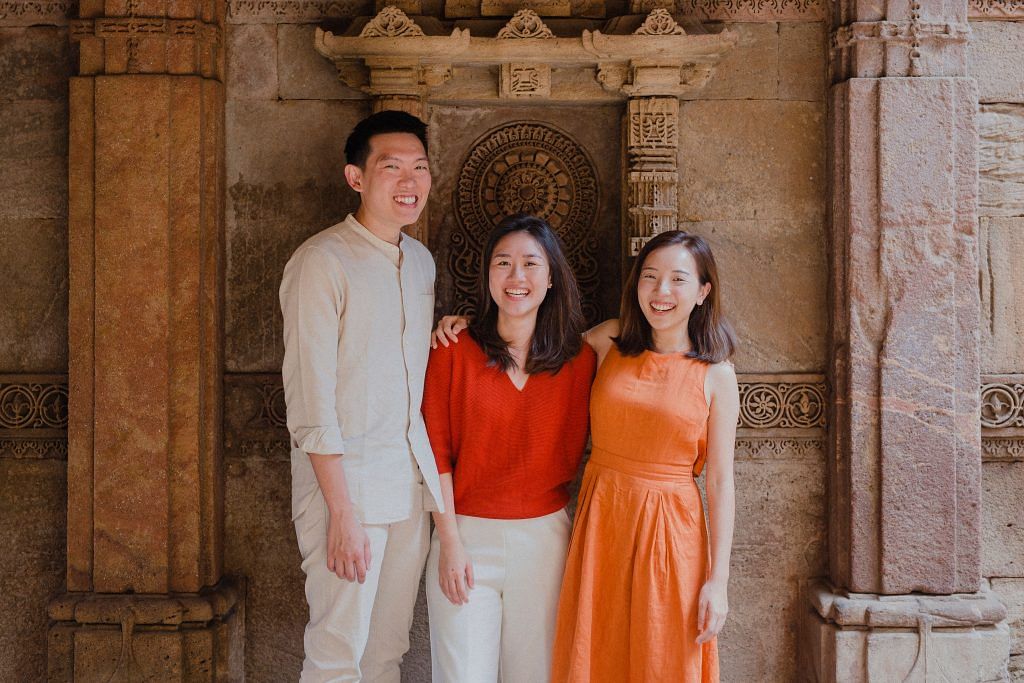
Meet the Dream Team of Our Barehands
In the picture on the left side, you’ll spot the three folks who started Our Barehands:
- Mitchell Zachariah – the mastermind behind the big ideas.
- Germaine Lye – the creative spark that sets everything alight.
- Chanel Go – the action‑oriented force who keeps the momentum humming.
Shout‑out to IKI Company for snapping that great photo!
Tell us what made you start Our Barehands?
How We Turned Coffee Into a Community Hero
Back in 2018, I, Germaine, and my buddies were folding over a final review for a sustainable coffee venture in Myanmar. We were all about the vibes—handshake deals with farmers, the aroma of freshly brewed beans, and a big dream of doing good.
That ‘aha’ Moment
While we were cracking jokes over beans, an idea sparked: why not help the local farming folks reach their own career dreams? It turned out that a green, profit‑generating business could ripple out good vibes, just like sprinkling coffee grounds onto fresh soil.
Expanding Scope
- We realized the same model could work beyond the beans, so we branched into the craft scene.
- Our goal: give artisans the tools to shine instead of making them the butt of pity jokes.
- We wanted the world to see the beauty, skill, and dignity behind every handcrafted piece.
Introducing Our Barehands
Mitchell dropped in with a vision: pair local communities with the right skills and market links. The result? A platform where farmers grow plants, craftsmen make art, and the local economy gets a healthy jolt.
We’re not about handing out sympathy. We’re about handing out respect, skill, and financial freedom—and we’re flipping the script on what people expect from communities abroad.
Key Takeaways for Future Projects
- Start with a solid product; let community needs guide your next steps.
- Invest in training, not charity.
- Showcase the talent, not the trap.
- Build sustainable connections that keep cash flowing.
We’re proud of how coffee and creativity have become drivers of change—forever making coffee a tiny hero behind a latte.
 I’m ready to help rephrase your article, but I’ll need the full text you’d like transformed. Could you share the article content (without any HTML tags) so I can get started?
How does sustainability factor in your business? And what are your unique strengths?
How Chanel Keeps Its Fashion Green (And Gutsy)
When it comes to being Sustainable, everyone’s got a different playbook. Some folks think it’s all about recycled threads, others see it as a way to make a splash wherever they ship stuff. Whatever your angle, the truth is we’re all in learning mode—both the shop owners and the consumers.
What “Sustainable Fashion” Means to Chanel
- It’s a journey of thinking beyond the price tag or the latest trend.
- It’s about recognizing that every garment has a story that touches real people.
- We dove deep into how our choices affect the community and the planet, and we’re not afraid to put those insights into action.
Because the People Behind the Labels Matter
From the tailor in the dimly‑lit workshop to the woman who milks the cows that feed the fashion sustainable, every voice counts. If you’re a fabric line or a runway show, you now have to consider the human and ecological impact of your goods. It’s like being on a reality TV show where the “victories” are fairness and Earth‑friendliness.
Germaine’s Green Dream
“We’re on a mission to build long‑lasting partnerships with artisanal communities.” That’s the golden ticket: give them the tools to thrive sustainably, while keeping their families aboard the ship.
And the eco‑plan? It’s all about doing the right thing at the right time:
- Made‑to‑Order: No more excess inventory, because a lot of garments end up in the landfill—yikes!
- Natural & Organic Materials: Think hemp, bamboo, and the good stuff that doesn’t harm the earth.
- Upcycling: Keep the leftover scraps from becoming trash. A bit like turning a pizza crust into a napkin—creative and practical.
Ready to Switch Off the Wasteful Mode?
If you’re tired of the “just one more” mindset, Germaine’s gown‑making crew is making sure you can keep a style rack full without a guilt trip. Their mantra is simple: less waste, more wow.
Collaboration Is the Real Superpower
Chanel’s not just keeping its own niche; it’s partnering with others who share the same eco‑values. Think of it as a fashion “club” where each member brings unique expertise, and together, they create a bigger ripple.
- Teams of designers, activists, and artisans come together.
- Projects become less about individual glory and more about collective impact.
- From zero carbon footprints to community revivals, they’re all on the same wavelength.
In short, sustainable fashion isn’t a one‑person show. It’s a small‑team drama where everybody plays a part, the planet gets a reprieve, and each good piece gets a closer look at the human story behind it. So, next time you pick a dress, think of the journey—because it’s more than just a pretty outfit, it’s a statement of care.
Spotlight on IK Company
Who Are They?
IK Company, short for Innovative Kreation, is the new kid on the block that’s already making waves in the tech world. They blend cutting‑edge AI solutions with a sprinkle of human flair, and it’s paying off big time.
Why We’re Excited
- Fresh Ideas: IK doesn’t just follow trends; it sets them.
- People‑First Culture: Employees get paid in flexibility and access to the coolest gadgets.
- Eco‑Mindset: Their products keep the planet happy while still doing the heavy lifting.
Crunching Numbers
With a 2‑year revenue spike of 58% and a 3× growth in customer base, IK’s figures speak louder than the hype. They’re not just crunching data—they’re boxing market share into pockets of opportunity.
CEO Says It Best:
“We’re like a rainbow of possibilities wrapped in a blue box. Every day is about turning the impossible into the inevitable,” the CEO declares, smiling between coffee cups.
Get Involved
Whether you’re a tech‑savvy startup or a curious kid on the skateboard, IK Company keeps its doors open for fresh talent and partnerships. Check out their blog, hackathons, and community events to find out how to get part of the revolution.
Tell us about your Made-To-Order approach.
The Art of Balancing—Crafty Artisans, Clever Consumers
What Goes On Behind the Seam ?
Germaine explains that each partner artisan brings a unique set of skills to the table. We’re not just dumping orders onto them; instead, we match the volume they can handle with the market’s growing appetite. Think of it as a well‑orchestrated dance—each step measured, each stride mindful.
The Made‑To‑Order (MTO) Magic
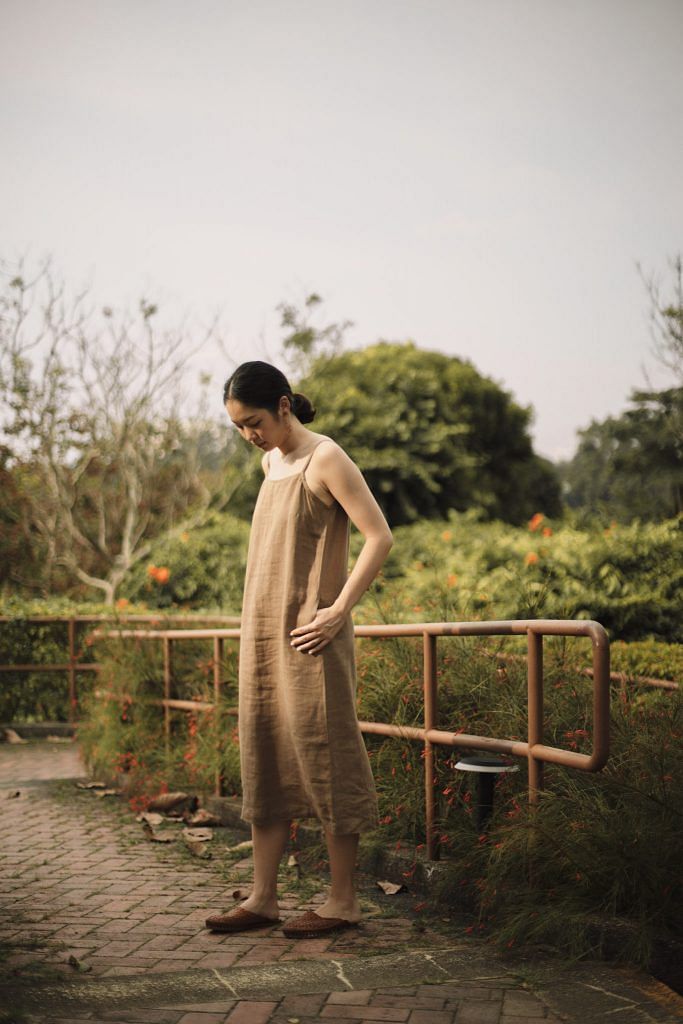
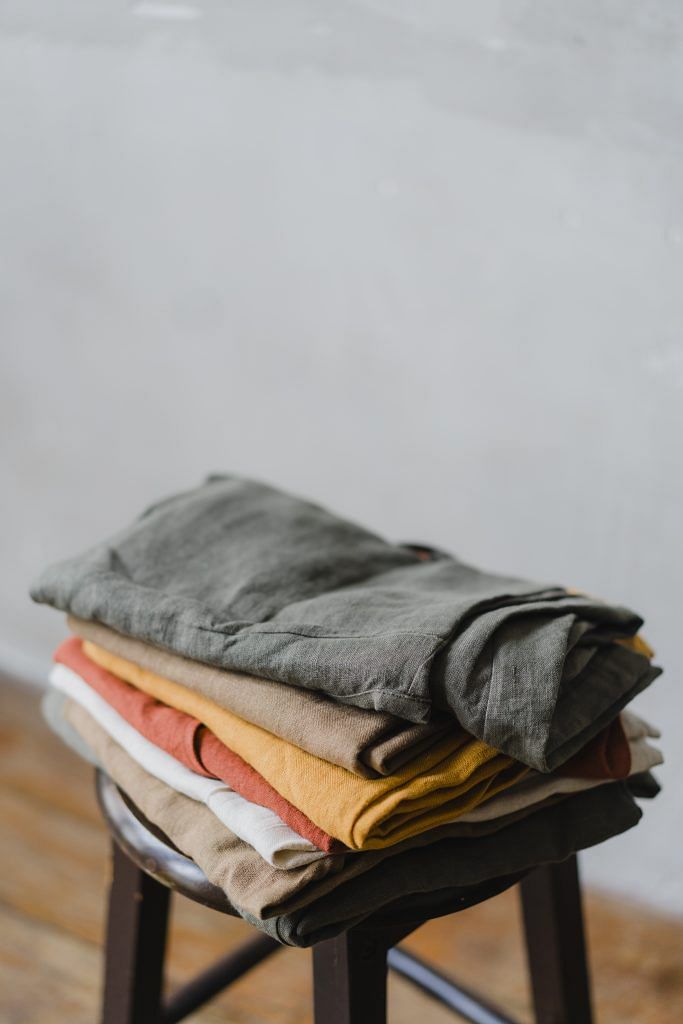
Chanel added that, in light of this “dance,” we launched a Made‑To‑Order strategy for the Refugee Sewing Community in Malaysia. All our linen pieces are made just for you, taking three‑to‑four weeks (roughly 4–7) from order to delivery.
- Custom sizing free of charge—so you fit like the glove that’s literally your glove.
- Only produce what the customer actually wants, cutting out the waste that would otherwise end up in landfills.
- Customers LOVE the approach, hugging the idea that we ‘serve the demand, not the demand of the produce.’
Why This Works
Customers are delighted when the fabrics arrive exactly when they need them and without the environmental guilt that comes with over‑production. And the artisans? They can forget the cycle of “produce, produce, produce” that leads to heaps of unused material.
A Small Yet Booming Change
Each month, the reflexive response from our loyal buyers has been a solid thumbs‑up. The I hope that we can keep scaling—keeping the supply chain in tune with the planet’s rhythm.
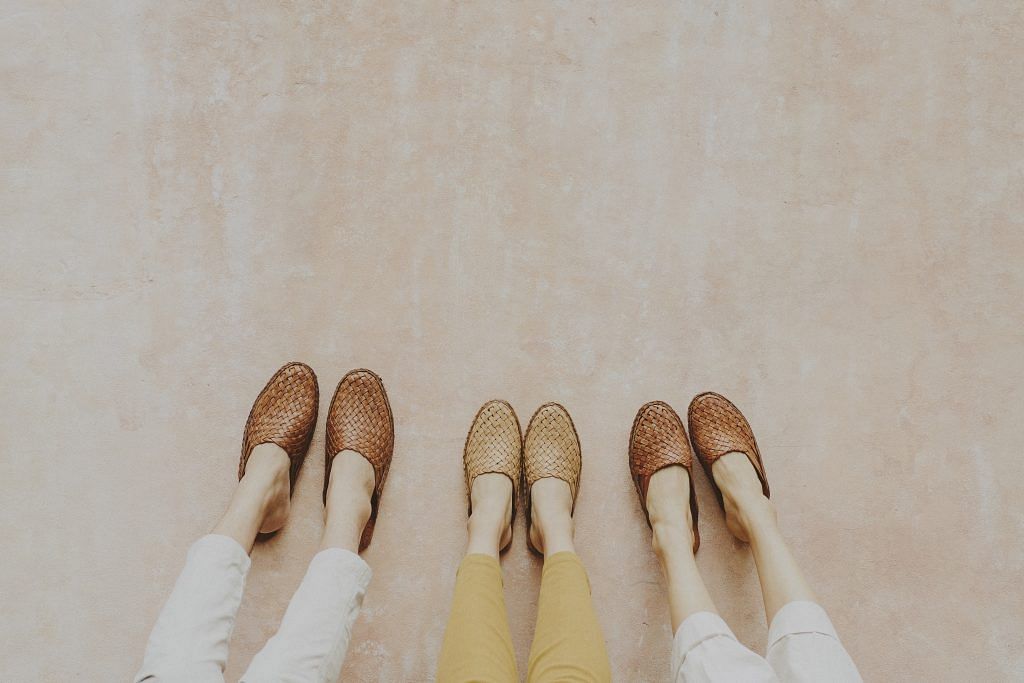
Meet the Barehands Leather Slides
Grab a coffee, sit back, and let us walk you through the newest shoe of the season—our Barehands leather slides. No fancy jargon, just a quick rundown on why you’ll be thrilled to slip these on.
What Makes Them Stand Out?
- Sleek, Made‑for‑your‑feet leather – smooth like a summer breeze.
- Comfort that’s practically counter‑intuitive – feel like you’re walking on clouds (but with more style).
- Low‑maintenance & UV‑resistant – no drama, no love‑letter needed.
- Durable enough for your adventures – beach, boardwalk, or just a casual stroll in the park.
- Eco‑friendly materials – good vibes for the planet.
Image Credit
Photo Courtesy of IKI Company
Want to experience the Barehands difference? Slide into one now and transform your everyday stride. The world’s a better place when you’re stepping in style—without the fuss.
Your Made-To-Order model was created in part as a solution to reduce landfill waste. Do you have any plans to accept used pieces from your customers to repurpose them?
Chanel’s New Circular Twist: From Dead Stock to Done Right
What the Talk Looks Like Behind the Scenes
Chanel: “That’s actually a great idea. So far, we’ve been looking to incorporate more dead‑stock fabric and recyclable materials into our production processes.”
Germaine: “Absolutely! Imagining this coming to life feels like a dream. It’ll nail our goal of building a circular economy that even pulls in our customers. Post‑pandemic, we hope to channel not just apparel but other goodies—think our leather slides, too.”
Why It Matters
- Reduces waste by utilizing leftover fabrics.
- Boosts sustainability and appeals to eco‑conscious shoppers.
- Creates a closed loop where customers help drive the redesign cycle.
- Expands the scope to include accessories like leather slides.
Next Steps
1⃣ Set up a “Trash‑to‑Trend” hub for collecting unused textiles.
2⃣ Test new recycling techniques in the design lab.
3⃣ Launch a public challenge inviting customers to drop their worn gear for a chance to get a designer discount.
So, stay tuned. Chanel is turning a tide—literally—toward a greener runway, and it’s not just about the clothes; it’s about the community and the future of fashion.
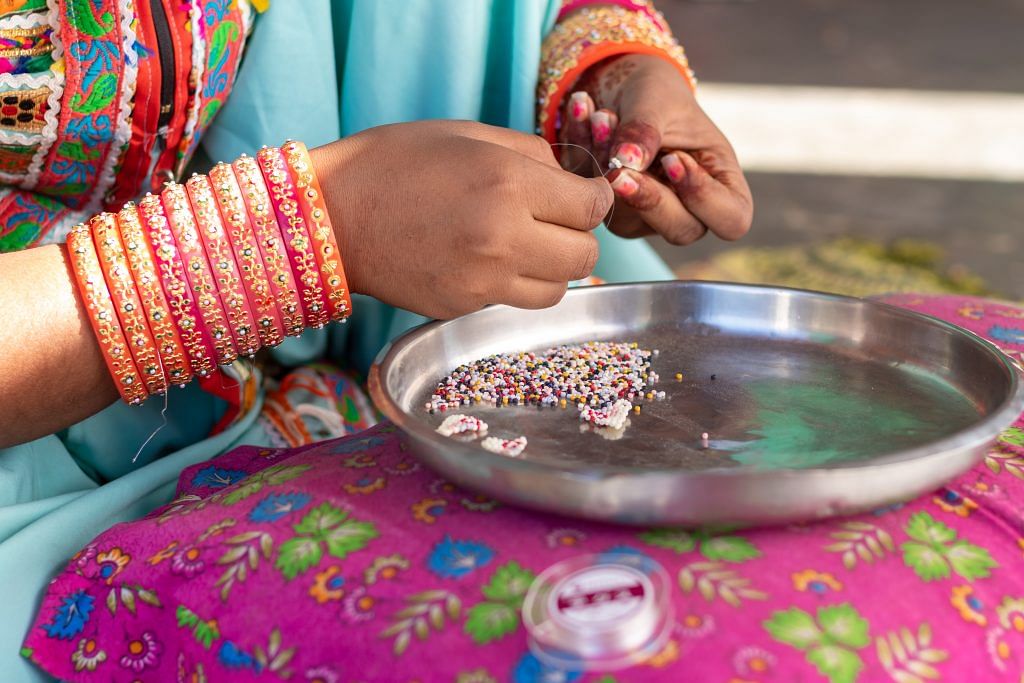
Bead Weavers of Gujarat
Where Tradition Meets Creativity
Picture this: a bustling town on the coast of Gujarat, where threads of tiny, sparkling beads burst into life, weaving stories into every necklace, bracelet, and ring. It’s not just craft—it’s an art form that’s been handed down through generations, all while still catching the eye of a millennial looking for that perfect Instagram-worthy accessory.
How the Magic Begins
- Choosing the Right Beads: Each artisan starts by selecting beads like pearls, glass, and precious stones, paying close attention to colour, size, and texture.
- Threading the Dream: The real fun begins when they thread these beads onto silk or nylon thread, creating a foundation for the final masterpiece.
- Weaving Stories: Patterns range from playful motifs (think tiny cats or rainbows) to intricate, heritage-inspired designs that nod to Gujarat’s rich history.
Why It Matters
Beyond the eye‑catching shine, each piece tells a story—rows of beads linking past and present, the sounds of local markets, and the scent of jasmine in the summer air. These artisans keep a cultural legacy alive while showing the world that traditional craftsmanship can still be trendy.
Meet the Trailblazers
Bilal Ahmad: A master in the field, Bilal’s hand-stitched necklaces now appear in boutique shops across Mumbai. He’s told us that “the best part is watching a piece come to light, like a tiny star exploding over the Arabian Sea.”
Also in the spotlight is Rita Patel, who is dedicated to maintaining the vintage techniques while experimenting with modern gadgets—such as laser cutting edges for a more precise look.
The Future of Bead Weaving
- Coming Collaborations: Some weavers are blending their bead work with eco‑friendly, recycled materials—perfect for the conscious consumer.
- Digital Platforms: A growing number of artisans are now selling online, turning their bead arrays into a global phenomenon that’s as easy to access as a digital download.
Wrap‑Up
If you ever stumble across a bead-embroidered garment or a gleaming pendant in Gujarat, you’ll know it’s more than just a fashion statement—it’s a lifetime of expertise, culture, and a sprinkle of humor that only a craftsman who’s seen a thousand beads can bring to life. So the next time you’re on your phone scrolling through pictures, give a shoutout to the humble bead weavers who keep that sparkle alive!
—
What is your creative process like?
The Creative Journey Behind Germaine & Chanel
Germaine: Where Ideas Bounce and Grow
Chanel: Blending Tradition with Trend
How We Turn Ideas into Products
Bottom Line
Germaine and Chanel together swoop into the creative world like a dynamic duo—crafting, consulting, and cultivating pieces that feel both human-made and happily market‑ready. Their secret sauce? A mix of raw talent, real‑consumer insight, and a sprinkle of humor that keeps the process light and the outcomes bold.
How has the pandemic affected your business?
Germaine’s Artisanal Adventures Amid Pandemic Chaos
We’ve been keeping the creative spark alive in 10 hand‑crafted communities across eight countries. When the travel bans hit, the real world went from glossy city tours to zoom parties—but fear not, our artisans were already buddy‑uped online before the chaos.
- Zoom & Zoom: All face‑to‑face chats scheduled, but now it’s all video calls + snappy deck slides to keep the vibe.
- Visual Overload: Picture‑heavy presentations—more visual cues than a Pixar movie featurette.
- Polyglot Power: Google Translate in the front seat, because every “hello” might need a~ten rounds of translation.
- Remote Hustle: Building a new “offline” world virtually, with the same stories, skill‑sharing, and chuckles that only in‑person can do.
So, while the road may have closed, our virtual lanes are wide open—and we’re all set to keep the artisanship humming, one pixel at a time.
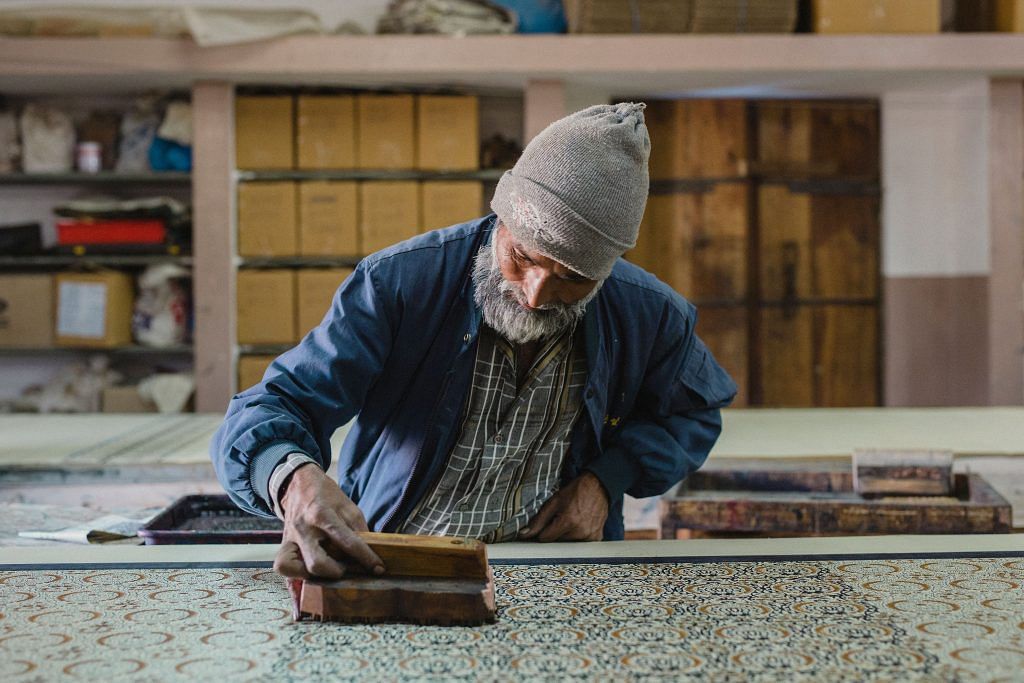
Block Printing: The Artisan Pulse of Bhuj, India
Picture this: an age‑old workshop buzzing with the scent of dye and the rhythmic clack of wooden presses. That’s the heart of Bhuj’s block printing scene.
What’s All the Hype About?
Block printing is more than a craft—it’s a living, breathing art form that dates back to the 16th century. In Bhuj, a vibrant town in India’s Gujarat state, artisans use wooden (or sometimes stone) blocks to transfer intricate designs onto textiles. The process is a blend of hand‑picking dyes, meticulous carving, and a whole lot of patience.
Why It Matters
- Culture on Fabric – Each pattern tells a story: tribal motifs, floral bursts, or geometric gems that echo the region’s heritage.
- Hand‑made Happiness – Unlike factory‑massive production, these prints carry the personal touch of the craftsman.
- Economic Boost – Small‑scale producers get a fair price for their work, supporting local livelihoods.
A Dash of Humor & Heart
Ever wonder what happens when a quirkier cousin tells a “block” of fabric? The answer: a polyester punchline! (Just kidding—though the textiles do make a pretty solid joke in any wardrobe.)
So next time you spot a vibrant saree or a cozy tanga from Bhuj, remember the block printers behind it—those artisans are not merely crafting cloth but weaving threads of tradition one block at a time.
Tell us more about the special materials and techniques unique to the artisans used in creating the collections.
Unveiling the Hidden Art of Block Printing
Where the Craft Lives
- Bhuj, India – Master Blockprinters Bhuj, the town that turns simple wood blocks into wearable canvases.
- Gianyar, Indonesia – The Resin Cousins, artisans who fuse spices into dazzling jewelry.
It’s Ancient, but Painfully Contemporary
Imagine a world where every piece of cloth learns its story by hand. The age‑old technique – tracing back to roughly 2500 BC – involves juggling 21 meticulous steps. From carving a block of cedar to chiseling a motif, and then, finally, the moment of printing itself—every single action is a dance of patience.
Color Without Chemicals
In Bhuj, the rainbow of colors comes from nature’s gift: turmeric, rust iron, and Arabic gum. These natural dyes cling to fabric like a gentle hug, keeping the artistry conflict‑free and eco‑friendly.
Spice‑Infused Jewelry in Gianyar
Meanwhile, artisans in Gianyar are not just pointing a toothbrush and twirling a bead. They mix rice, turmeric, and chilli into a resin that captures tropical flavors. The result? Jewelry that’s as vibrant as a spice market and just as memorable.
Why It Matters Today
While tech and trends sprint ahead, these artisans remind us that art takes time – and that our oldest traditions can still sparkle in modern wardrobes.
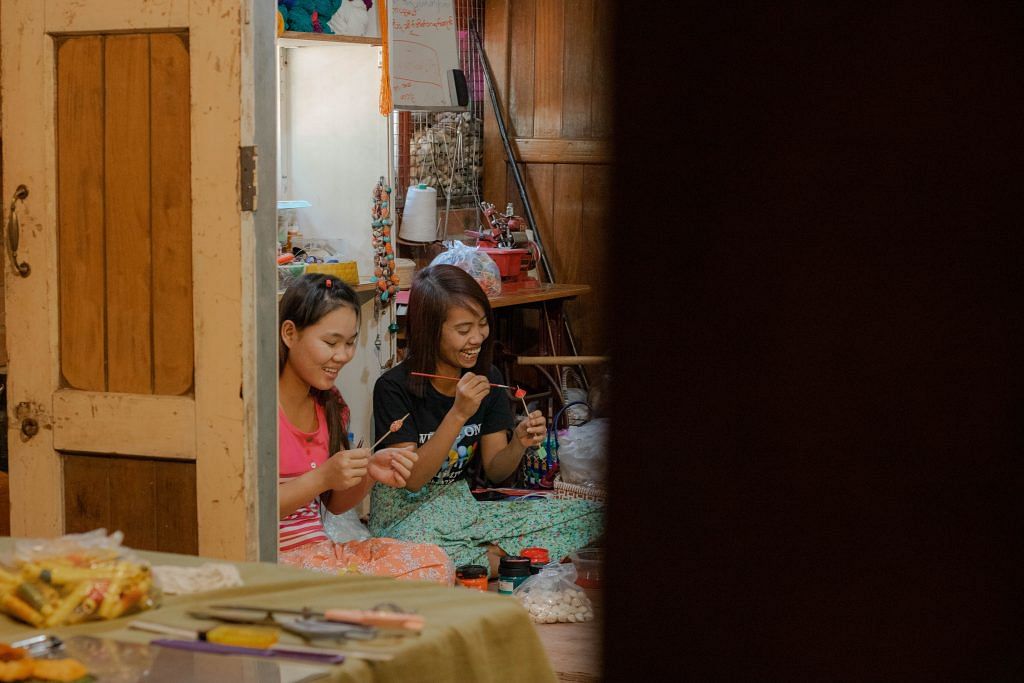
Behind the Sparkle: Myanmar’s Hidden Jewelry Makers
Picture this: a bustling workshop in the heart of Yangon, where the scent of gold filler hangs in the air and artisans are busy turning rough stones into gleaming masterpieces. These are the people who keep the country’s treasure trove shining, one bead at a time.
Who These People Are
Most of Myanmar’s jewelers are family‑run shops, passed down through generations. They’re not just experts in cutting and setting; they’re living historians, preserving techniques that date back to the 18th century.
Daily Life in a Jewelry Workshop
- Early starts: The workday begins before sunrise—because those diamonds need the morning light to sparkle.
- Hands and tools: From hammers to magnifying glasses, every tool has a purpose, and every artisan knows it by feel.
- Creative chaos: A stack of uncut sapphires sits beside a stack of unwanted scraps—just a tiny reminder that inspiration can come from anywhere.
A Touch of Humor
There’s a funny nickname for a junior craftsman: “The Gilded-Glitch,” because he’s always leaving a tiny metal piece at the wrong spot—just to keep things interesting. The guild members giggle, but the final product always comes out flawless.
So next time you see a beautiful piece of Myanmar gold, remember the hardworking hands, the traditions, and the subtle laughs that have crafted it. It’s not just jewelry; it’s a story of passion, culture, and a dash of good humor—all packaged in a shimmering package.
Tell us more about your artisan upskilling programme.
How We’re Turning Craft‑Zero into Craft‑Pro
Ever met someone who can’t even hold a hammer without flailing? That’s not the dream for our artisans. In many communities, skill levels range from “just a doodle” to “masterstroke,” and, shockingly, most folks haven’t had a chance to learn the ropes properly. That’s where we step in.
What We’re Doing Right Now
- Find people eager to improve—anything from basic loops to fancy embroidery—and connect them with peers who already know the craft.
- Pair artisans with like‑minded collaborators who can coach them on the specific techniques they’re itching to master.
- Keep the focus sharp: right now, the spotlight is on craft‑related skills. We’re proud of that, but we’re craving more.
Future Plans (Because Skills Don’t Stop at the Canvas)
Once our artisans hit the sweet spot in their handiwork, we’ll inject business savvy into the mix. Think budgeting, marketing, and other entrepreneurial tools that turn a hobby into a thriving side hustle. No more being the “great artist” just for the joy of it—let’s turn those skills into a paycheck.
Why It Matters
Skill is the gateway to opportunity. If you can craft a beautiful mug, you can also manage a shop, attract customers, and maybe even start a brand that’s worth bragging about. Our mission is to empower those artisans to own the entire journey—from pulling the first whisk to signing the final sale.
Need a Quick Peek into Related News?
Check out our feature on “It’s Naiise to be back:” the lifestyle store has relaunched online under a nimble new owner, promising sellers instant payments and a fresh brand vibe.
What advice do you have for consumers looking to be more sustainable?
Chanel’s Green Playbook
Why All the Fuss Starts With YOU
Ever wondered how a luxury brand like Chanel thinks about saving the planet? Believe it or not, the first move is figuring out what sustainability looks like in your own world. It’s not about chasing the latest trend or copying someone else’s green playlist. It’s about personalizing the mission.
Quick & Personal Dos & Don’ts
- Ask yourself: “What does eco‑friendly mean for my everyday life?” Mentally map out the habits that count.
- Dig deep instead of skimming: Skim the headlines, but actually read the fine print—learn the values and the science.
- Make it relatable: Link the concepts to your own routine—think of Sunday grocery runs or your wallet budget.
- Let it push you: Your own goals should charge your motives. If you’re driven by what matters to you, the momentum stays strong.
- Keep it conversational: Talk with friends, family or a sustainability coach to get fresh angles.
Why This Matters
When you own the narrative, sustainability stops feeling like a distant, abstract idea and becomes a personal, actionable plan. It sparks a lifestyle shift—one step at a time, one choice at a time. Chanel’s hint? Start with your own horizon, and the rest of the green adventure will follow naturally.

Picture Courtesy
- Photographer: Ming Kiat
- Studio: Studio Kinu
In what ways can Singapore-based consumers collaborate with you, and how can they go about it?
Chanel’s “Bring Your Own Artisan” Playbook
Hey there, creatives, designers, finance wizards and all the brilliant minds out there—
We’re feeling super open and ready to dive into YOUR ideas. If you’ve been dreaming of connecting us with your favorite artisanal contacts, now’s the perfect time. We’ve already had a few customers drop us line after line, and the vibes are incredibly positive.
Why this matters
- Shared expertise: Your field‑specific know‑how can help elevate our artisans’ craft.
- Skill boost: Think of it as a cross‑training boot camp where our community can learn the ropes of your industry.
- Visibility for the craft: If you’re passionate about showcasing the magic we’re building, give us a shout.
All Together, We’ll Make Magic Happen
Together we can co‑create meaningful experiences and campaigns. Think of it as a collaborative jam session where every beat counts.
Your ideas, our runway—let’s make something unforgettable.
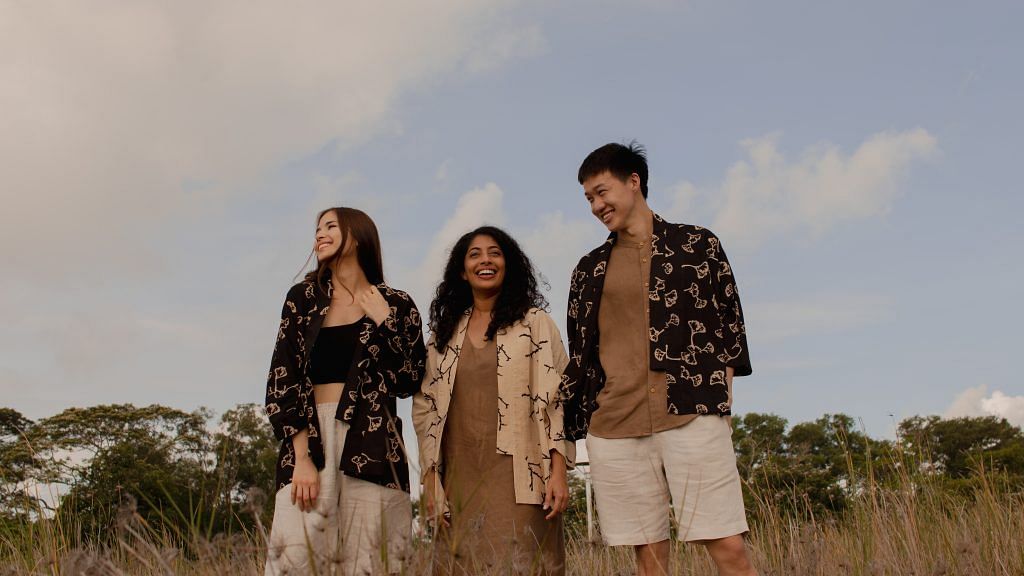
A Snap Worth Starring: Shermaine Law
Meet the Star Behind the Lens
Photograph Focus
Why We Love It
TL;DR: Shermaine Law takes everyday moments and turns them into art that’s both approachable and uplifting.
Quick Takeaway
Ready to snap your next memorable photo? Follow in Shermaine’s footsteps, and let every click burst with charm!
What do you hope to accomplish with Our Barehands in the near future?
Our Barehands: Empowering Communities One Hand at a Time
Germaine’s Goal
We’re aiming for a half‑million‑percent confidence boost in our artisan villages—meaning at least 50% of them feel secure enough to bank on TheirOwn hands for a steady income.
In plain English: Our Barehands should become either the main paycheck or the gig‑multiplier that lets families live sustainably.
Chanel’s Call
We want more folks to jump on board while we build stronger, lasting communities. Our Barehands started as a collaborative hub because everyone brings something to the table—skills, resources, or a net worth of connections.
No one is too tiny or too big to contribute; we’re all in this together.
Mitchell’s Vision
- Redefine what “helping” a community actually looks like.
- Showcase the power of a social enterprise that can produce top‑notch, market‑ready products.
- Push the limits of competition, quality, and real demand.
Quick recap: This interview was trimmed down for clarity, but the spirit remains fierce.
Original source:
Harper’s Bazaar Singapore


