

Pablo Cheese Tarts: The Rise, Shine, and Ultimate Fade‑Out
You won’t believe the drama that unfolded at Pablo’s only shop in Kuala Lumpur. Just a few days ago, the once‑glittering champions of cheesy goodness were quietly shuttered for good. Their Facebook profile vanished, and their Instagram had been dormant since early May—so there’s no new content, no “Thank you” posts, just a silent, clean exit.
We were all left scratching our heads…
During lunch breaks at the office, we tossed around theories on why Pablo, after two years in the market, had to say goodbye. We dug into the likely culprits below, hoping to bring some clarity to this sweet loss.
1. The Raging Sea of Competition
- Pablo debuted with a splash—long lines snaking out of its 1 Utama location and an air of non‑stop buzz.
- But the cheese‑tart scene is a crowded beach. Competitors like Hokkaido Baked Cheese Tart and Tokyo Secret have had a longer presence and have built a loyal fanbase around Japan‑inspired treats.
- Then there’s a scattershot of smaller brands that serve cheese tarts as a side feature—John King, Lavender, Happy Happy Bread Bakery, and Tedboy Bakery.
- In a market awash with choices, customers weigh hype, taste, price, and convenience before pointing their forks—so even a flashy start can be hard to sustain.
2. The Price Tag That Said “I’m a Hefty”
Pablo’s menu was as pricey as it was proud. Their signature “mini” tart ran at RM8.90 (about S$3), and the big, celebrated belly‑fillers set the record at RM45.90 (around S$15.45). Compare this to:
- Hokkaido Baked Cheese Tart – RM5.80
- Lavender – RM6.00
- Uncle Tetsu – RM4.50
- Tokyo Secret – RM7.90
Not only did they outspend the competition on the tarts, they also left no cheaper options: the soft‑serve ice cream that was the cheapest still fetched RM11.90. Consumers had to decide if their wallets could stretch to match the flavor promise.
3. The “Taste vs. Price” Gap
- Despite the hype, online chatter wasn’t all positive—longseated fans sometimes left reviews that said the price didn’t match what they tasted.
- Customers expected top‑tier quality that justifies the steep price, but the category was full of cheaper yet tasty options.
- In the world of culinary economics, the “value equation” must balance price, taste, and novelty, or it’s a recipe for abandonment.
Bottom Line
Pablo’s sweet craving may have been the fastest to shout “heck, let’s go!” but the combination of steaming competition, a high‑price card, and a taste‑quality mismatch let the brand’s dreams crumble. While the closing likely feels like a heartbreak for cheese lovers, it’s a reminder that dreaming big doesn’t always translate into staying power—especially if customers can’t taste the magic behind the price tag. So let’s toast to what was—cheese tarts, great vibes, unforgettable moments—and cherish the learning baked into the story.
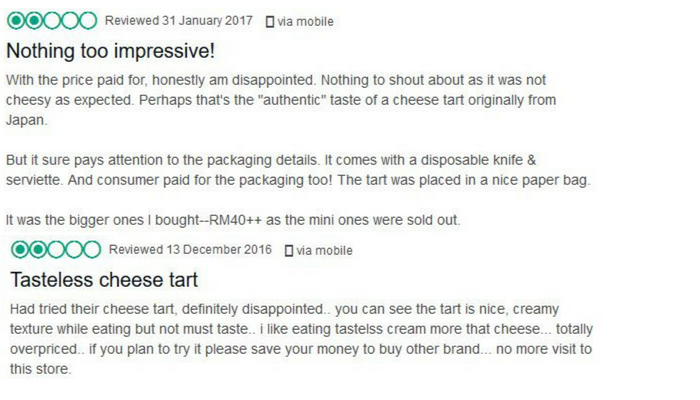
What Google Reviews Reveal About Pablo Malaysia
Take a quick peek at the feedback spilling over Google. The verdict? The flavours and textures may have been a bit of a hard sell for the everyday crowd.
- Flavor twist – A bold palate that doesn’t quite hit the local craving sweet spot.
- Texture talk – A touch of exotic crunch that might feel a tad out of sync with everyday preferences.
- Review mood – A mix of admiration and “maybe not for me” vibes.
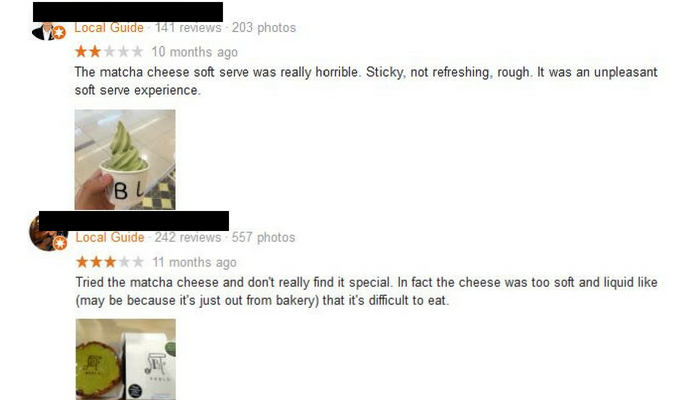
Pablo in Malaysia: A Friendly Face-Off with the Original Japanese Version
Picture this: a quick screenshot of reviews scrolling across Google as if each one was a neon sign in a bustling street. The vibes are high—people love the new Malaysian take on Pablo. But, as with every foodie saga, there’s a twist.
Some Trailblazers Took the Jet‑Setting Route
- Japanese Origin Taster: “It just didn’t hit the same sweet spot.” They’ve tried both, and the flavors feel a bit off in Malaysia.
- Possible Psychological Hints: “Maybe it’s an ‘experience’ thing?” They suggest the mindset shift could be steering the taste buds.
- Weather Talk: “Humidity in Malaysia is like an invisible pastry chef—turns everything a tad soggy.” The tropical climate might be playing a spoiler role in the baking game.
So, while the Malaysian Pablo is getting flattery, folks who’ve swopped from the original Japanese version are hinting at a subtle flavor shift. It could be the mind, the weather, or just a culinary tease that’s as tasty as it is intriguing.

Why Pablo Malaysia Faded Into Thin Air
Once upon a time, there was a shiny little cheese tart store that promised a slice of heaven on a plate. Its glowing Google rating of 4.6 stars and TripAdvisor score of 4.5 stars told a tale of satisfied customers, but the story that truly mattered was how those ratings folded into a real‑world box of realities.
1. The Early Craze — A Blizzard of Queues
In its opening moments, Pablo’s stalls turned Kuala Lumpur into a doughnut shop on a Sunday. Lines curled like lazy rivers, and the hype was as delicious as the plated treats themselves. But when the rush calmed, the rush of business too quiet to survive.
Only Two Stores? Small Password for Success
When you’re up against competitors with dozens of locations, having just two humble outlets feels like playing Pokémon with just a single card. The flagship at One Utama had a prime spot, yet the other store at IOI City Mall Putrajaya simply slid off the radar of everyday KL‑ite traffic.
- For context, Hokkaido Baked Cheese Tart has over 50 outlets across Malaysia.
- And Tokyo Secret opens up 13 branches.
- Pablo’s brief peak of two points in the same line feels more like a fluke.
2. Price That Sends Consumers Loping into the Store — Quickly
Consumers decide “Should I buy a food item?” in two minutes: taste versus wallet. Pablo’s pricing, while a little braver than the average Malaysian’s purse, didn’t deliver that extra “wow” factor that warrants a lifelong loyalty.
“I’d rather just keep my savings” — The Modern Sampler’s Plea
From the hype, the quick-sight “I’ll just pass” began to echo. The customers overestimated the unique flavour and underestimated the price. When the first store shut in 2017 after a year of operation, the silence that followed was deafening.
3. Lack of Public Buzz — Nothing Hits the Mark
Shutting down within months of each other, the stores basically vanished. People didn’t shout or jot down their hearts; they simply shrugged and moved on. The lack of an emotional connect left the brand, sadly, forgotten in the crowd.
Why Nobody Missed Pablo?
To stay on the radar, a brand must make a name that roars louder than the decent taste and nice packaging. If the experience isn’t strong enough, the next cheese tart pop‑up can’t compete. The name “Pablo” was simply carried by a high‑pitch, low‑base.
4. The Takeaway
- Get The Right Number of Outlets. A sparse margin of presence swallows the brand into oblivion.
- Keep Pricing in Touch with the local buyer’s wallet.
- Build a sizzling pulse, not just a one‑off story.
- And remember: in Malaysia, the unicorn is a wish for a chuckle, not a paid licence plate.
In the end, Pablo lost the cheese‑tart war to taste, quantity, and accessibility. The final verdict from a netizen? I remember the price more than the taste.
It’s a sweet reminder: a brand’s survival isn’t just about deliciousness — it’s about making sure the dice have a chance to land on you every time you think of a snack.


