

Adrian Pang Gets a Grip on the “Black Dog” After the Pandemic
When the pandemic hit last year, the theatrical world went from applause to quiet. Amid the hushed stages and closed theatres, Adrian Pang—a familiar face on Singapore screens—found himself sinking into a cavern of gloom.
Why the Darkness Set In
- He’d battled self‑esteem for years—casting calls overseas turned him off because he “wasn’t sharp enough enough” to fit the glossy image.
- Inside Mediacorp, he wore a “menagerie of caricatures,” which left him feeling less like a star and more like a character catalogue.
- When the live shows stopped, the “black dog” of depression bit deep, and he felt useless – “not needed and not existing.”
From the Desk of Pangdemonium
During the online mental‑health awareness chat on October 10th, Sunday, the artistic director of the local theatre company Pangdemonium spoke candidly:
“It was hell. When you identify yourself solely through your work, losing that job feels like losing yourself.”
His family stood by him, but it was the professional help that finally put the leash on the “black dog.”
A Call from Playwrights
Pang quoted Florian Zeller’s The Son:
“Sometimes, love is not enough.”
He explained that for a broken leg or kidney issue, love won’t cure you—mental illness is no different. “You need professional help; there’s no quick fix.”
Event Spotlight: The Unheard – Human Library
The virtual gathering, called The Unheard: Human Library, was hosted by the nonprofit Project Green Ribbon in honor of World Mental Health Day this year.
World Mental Health Day’s goal: shine a light on mental health, a struggle that surged during the pandemic’s social and economic shutdowns.
In Singapore, 1 in 7 people face mental health challenges, yet only about half seek proper help.
Real Stories, Real Struggles
- Pat Law, founder of Goodstuph, worked 400 consecutive days without a break until she collapsed. She booked a week-long staycation in Sentosa and turned off her email for a whole week. “Let go, hit the brakes, and settle back at gear one. I learned my limits.”
- Other speakers shared how emotionally abusive parents, and tying self-worth to grades, created hidden trauma.
- Sun Xueling, Minister of State for Social & Family Development, opened up about isolation during school years. “I was exhausted every day, lost appetite, all I wanted was sleep. University was my escape. I wish I’d spoken up earlier.”
These narratives underline one golden truth: mental health isn’t a one‑size‑fits‑all journey—sometimes love, but oftentimes professional support, is what moves the needle.
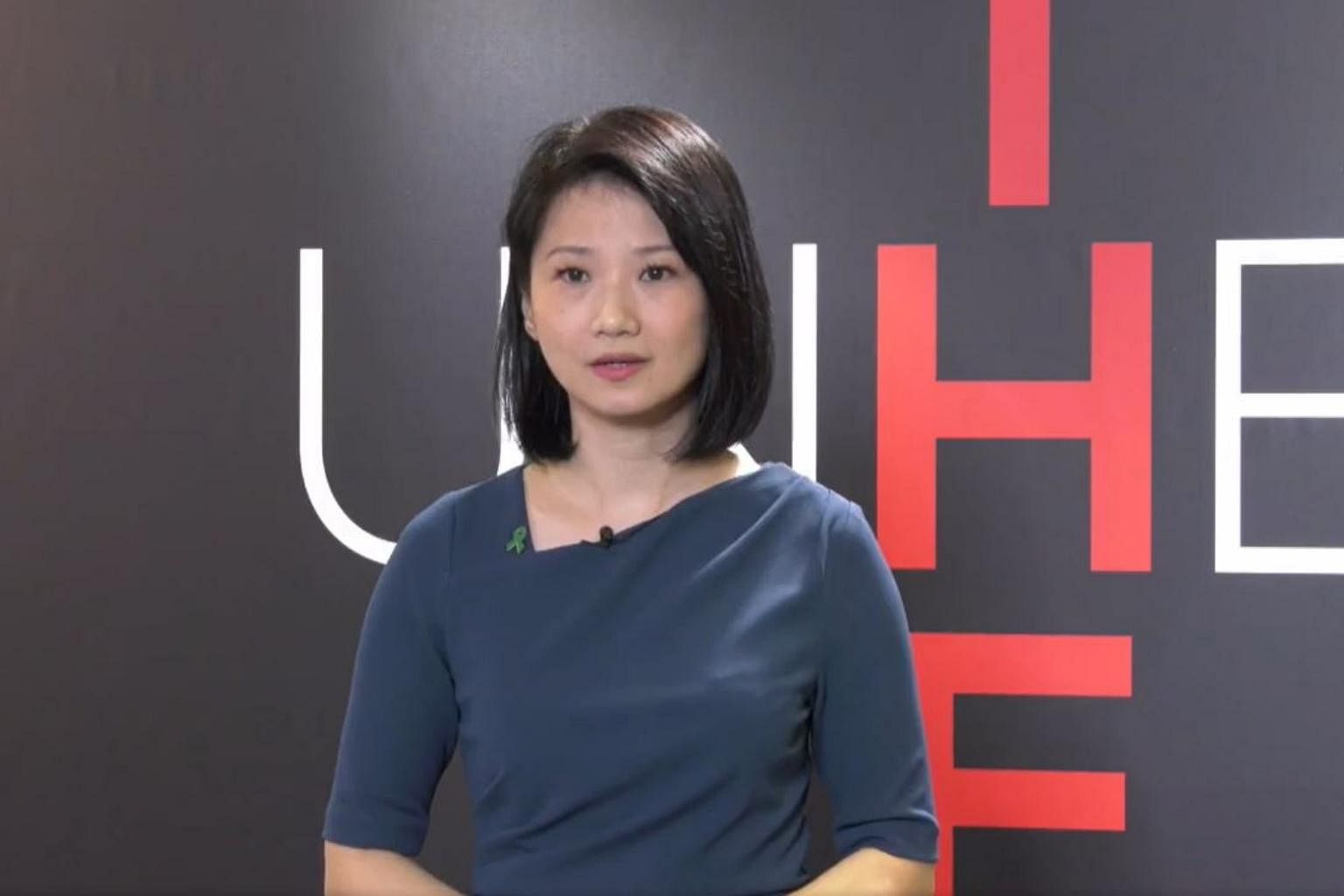
Sun Xueling Opens Up About Her Quiet Years
When the Minister of State for Social and Family Development, Sun Xueling, looks back on her school days, she admits feeling more like a shy cat in a noisy room than a confident kid. It’s a candid reminder that many kids just don’t know how to say what’s weighing them down.
President Yacob’s Call for Real‑World Change
Singapore’s #1 President, Halimah Yacob, took to Facebook to stress that talking about mental health is only the first step. “We need concrete actions that actually improve people’s lives,” she said, and she picked out youth as a special spot that deserves extra help.
Why Young People Need a Little Extra Support
- Young minds can feel overwhelmed and may struggle to put feelings into words.
- Many teens don’t have the language to explain what’s bothering them.
- Having a dedicated support system can make all the difference.
What’s Happening Now
The President’s Challenge is teaming up with the Institute of Mental Health (IMH) to design a pilot curriculum. This training will help social service agencies better support the younger generation.
In addition, the IMH will roll out workshops, webinars, and light‑hearted activities—continually until the end of October—so more folks can chip in and bust the stigma around what used to be a taboo topic.
#452TooMany: A Campaign Born from Heartache
Eighteen Members of Parliament have pledged to launch #452TooMany, a movement to spark open discussions about mental health. The number 452 refers to last year’s suicide cases in Singapore, showing a 13% jump since 2019 and the largest figure ever recorded.
Project Green Ribbon’s “The Unheard” Initiative
Until the end of October, Project Green Ribbon is raising funds for The Unheard, a program that invites real people to share their personal stories on mental well‑being.
Want to lend a hand? Visit Project Green Ribbon’s website to make a donation and help bring more voices to the forefront.
SINGAPORE HELPLINES
Need a Lifeline? Singapore’s Mental Health Hotlines at a Glance
Feeling overwhelmed, stuck, or just in need of a friendly ear? Singapore has a variety of reliable mental‑health helplines that’re ready to help. Below’s a quick snapshot of who to call and when:
1⃣ Samaritans of Singapore (SOS)
Phone: 1800‑221‑4444 (24/7)
Always open, this service offers confidential, non‑judgmental chat support for anyone in distress. You don’t have to explain your situation—just pick up the phone and talk.
2⃣ Singapore Association for Mental Health (SAMH)
Phone: 1800‑283‑7019 (24/7)
Beyond counseling, SAMH also distributes information on mental‑health resources and runs public outreach programmes to crack the stigma.
3⃣ Care Corner Counselling Centre (Mandarin)
Phone: 1800‑353‑5800 (Mon‑Sat 9:00‑21:00)
Looking for a Mandarin‑speaking counsellor? Care Corner offers both individual and group therapy, plus a fantastic crisis support line.
4⃣ Institute of Mental Health Helpline
Phone: 6389‑2222 (18:00‑midnight)
For patients post‑discharge or those needing a quick triage, the IMH helpline connects you straight to a trained professional.
5⃣ Silver Ribbon (Suicide Prevention)
Phone: 6386‑1928 (24/7)
Specifically focused on suicide prevention, Silver Ribbon empowers callers with professional support and safety planning.
Quick Reference Summary
- SOS: 1800‑221‑4444 – 24/7 emotional support
- SAMH: 1800‑283‑7019 – 24/7 counseling & outreach
- Care Corner (Mandarin): 1800‑353‑5800 – 9‑9 pm Mon‑Sat
- IMH Helpline: 6389‑2222 – 6 pm‑midnight
- Silver Ribbon: 6386‑1928 – 24/7 suicide prevention
Remember: reaching out is the first step toward feeling better. If the phone call feels scary, try texting the shortcodes (for IMH Helpline and Silver Ribbon) or visit nearby community centers for in‑person support.
—
Original source: The Straits Times. Permission required for full reproduction.


