

The Hidden Price Tag of Singapore Condos
Thinking about swapping your humble HDB flat for a swanky condo? Hold onto your cheongsam—there’s more to the cost than just the shiny paint job.
1⃣ Maintenance Fees: The Silent Add‑Ons
- HDB conservancy charges: under S$100/month. Simple, straightforward.
- Condo monthly maintenance: average about S$300, but some luxury buildings can push it over S$1,000.
- Why the jump? It depends on the number of neighbours, the flat size, whether you live in a “luxury” unit, and the bells‑and‑whistles your building offers.
- Ballpark figure? Add up to a few thousand dollars a year.
2⃣ Insurance Premiums: Not as Cheap as You Think
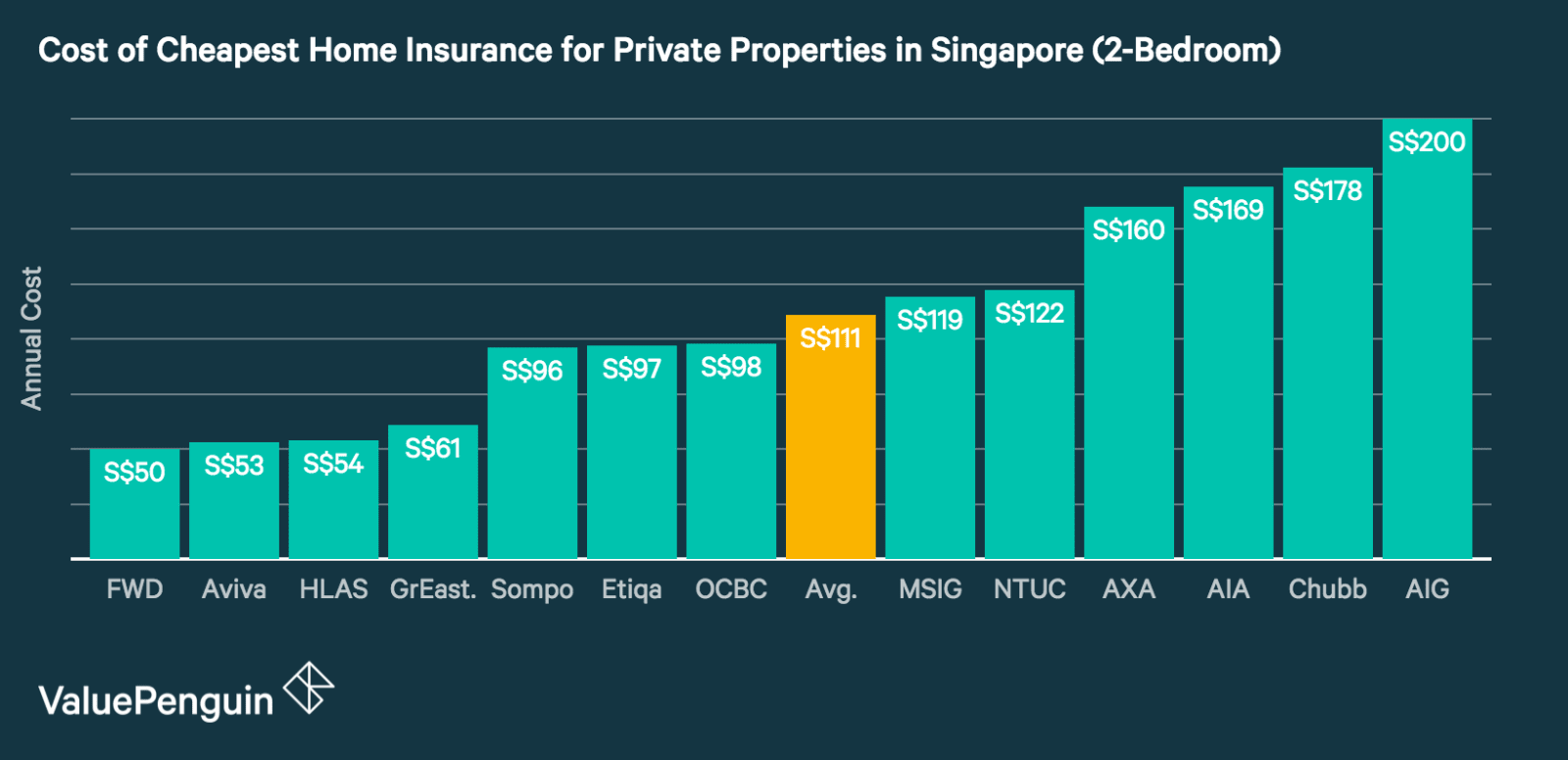
- HDB 4‑room flat with NTUC Income: ~S$51/month when you’re looking for bare‑bones coverage.
- Same size condo: ~S$122/month.
- In some cases, insurers can charge anywhere from 10% to 90% higher premiums on condos.
- Result? You could be paying a few hundred bucks extra every annum, especially if you’re upgrading your contents or renovating.
3⃣ The Reality of Upgrading
Even before you see that “condo” sign, you’ll likely discover that the dream of owning a fancy unit is surrounded by a maze of hidden costs. These expenses can easily dwarf the difference between a cozy HDB and a posh condo. So, next time you’re tempted to hop the property ladder, remember that the real climb might be a few thousand dollars higher.
The Hidden Cost of Living Your Dream Condo
Transportation Costs
Picture this: you’re all set to move into that swanky condo with glass windows and a private balcony, but suddenly the bills start piling up. One of the major players in that pile is transportation.
- Condo vs. HDB: HDBs are usually nestled near MRT stations and handy amenities, so you can hop on a train and be home in a flash.
- Private Property Reality: Condos are often squatting in more remote spots, assuming you’ve already bought a car. That’s a big bonus on your yearly budget.
- Car Cost: Owning a car can chew up as much as S$18,200 a year—think maintenance, loan payments, insurance, and gas.
- Public Transport Price Tag: Even if you choose the train, buying a condo close to MRT could cost you up to 16 percent more upfront. And you’ll pay an extra S$624 annually on commuting.
SP (Singapore Power) Utility Bills
Same as your mortgage, car, and insurance, you might be brushing off the small-ticket items that add up—like your electric bill.
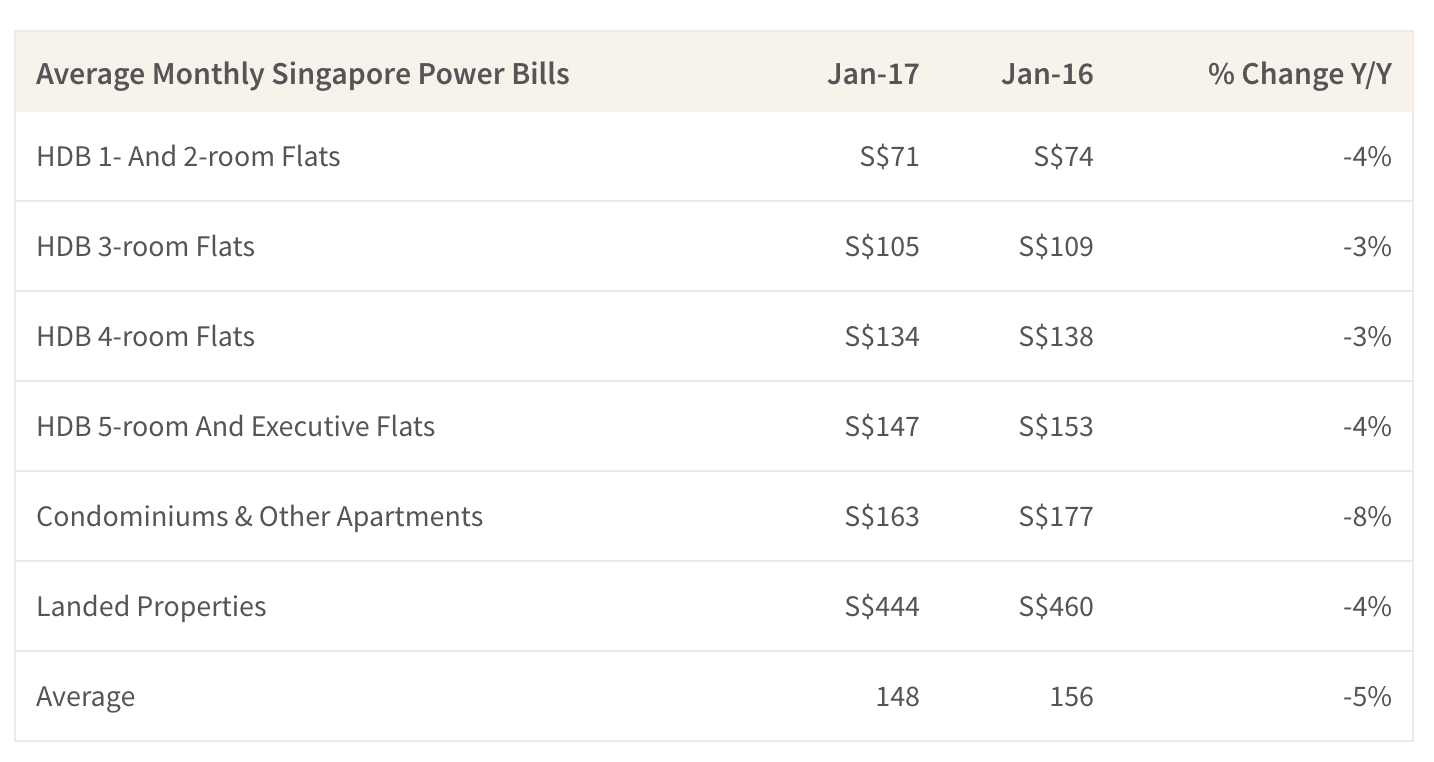
- Average Condo Bill (2017): A condo’s monthly SP bill was around S$163—a staggering 43 percent higher than an HDB’s S$109.
- Yearly Extra Spend: That means you could be pocket‑ing an additional S$588 every year just to keep the lights on.
Bottom line? Owning a condo isn’t just about the shiny façade; the real world numbers often tells a different story. So, before you sign the lease, make sure your bank account can handle the hidden costs that keep your driveway, garage, and gridded lights humming.
Final Thoughts
When you add the bells and whistles and a dash of seclusion to your dream home, folks often decide it’s worth every extra dollar. And the good news? Owning a private property sidesteps the price‑puzzle that HDB owners wrestle with, making it a safer bet in the long run.
What’s the Bottom Line?
- Regardless of why you’re buying a private place, remember that the purchase price isn’t the whole story. Hidden fees, maintenance, and upgrades can pile up fast.
- In a city where costs climb as high as a skyscraper, planning for those extra expenses is the smartest strategy to avoid breaking the bank.
Why It Matters
Picture this: you’ve got the keys, you’re sipping coffee in your new lounge, but lo and behold—unexpected costs pop up like surprise party invitations. If you’re not prepared, that bliss could turn into a financial headache.
Bottom Line for Savvy Buyers
Keep a cushion in your budget for “just in case” expenses. From HOA fees to insurance and the inevitable DIY mishaps, the more you anticipate, the smoother your life will flow.
In sum, owning privately can feel like a safety net against the market’s jitters, but staying ahead of the hidden costs is what really keeps your finances on track in the world’s priciest cities.


