

Singapore’s Legal Team Gets a Make‑over: Judicial & Legal Services Split
In a move that might sound like a corporate restructuring exercise, Singapore’s government is planning to give its legal ecosystem a tidy split. The plan, set to be passed through two new bills, will create a sharp line between the Judicial Service and the Legal Service, each with its own standing commission.
The New Arrangements
- Judicial Service – Overseen by a brand‑new Judicial Service Commission (JSC). The JSC’s chair will be the Chief Justice, giving the body a touch of pure judicial gravitas.
- Legal Service – Managed by a revamped Legal Service Commission (LSC). The LSC will be headed by the Attorney‑General, helping keep the legal side firmly in legal town.
Numbers in the Briefcase
Presently, the LSC looks after around 800 legal officers, who float between both branches. Once the bills are on board:
- About 220 people who are currently in judicial roles—assistant registrars at the Supreme Court, district judges, and magistrates up in the State and Family Courts—will slide into the new Judicial Service as official “judicial service officers.”
- The trickle‑down will leave the Legal Service with roughly 580 officers—think prosecutors, law‑drafters, and advisers in the Attorney‑General’s Chambers—focused on non‑judicial gigs.
Why Splitting Up?
“By giving each service its own boot camp, they can specialize better,” the Ministry of Law said. “We’ll have the flexibility to adjust personnel frameworks to match the demands of today’s complex legal world.”
Essentially, it’s a way to keep the system running smoothly now while marking the stage for future tweaks once the new structure settles in.
Historical Context
- Back in 2014, Singapore started nudging towards specialization, carving out distinct career tracks and separate personnel boards for every middle‑rank officer.
- Earlier this year, an MP from Bukit Batok nudged Parliament to explore the idea of a dedicated commission for judicial officer development.
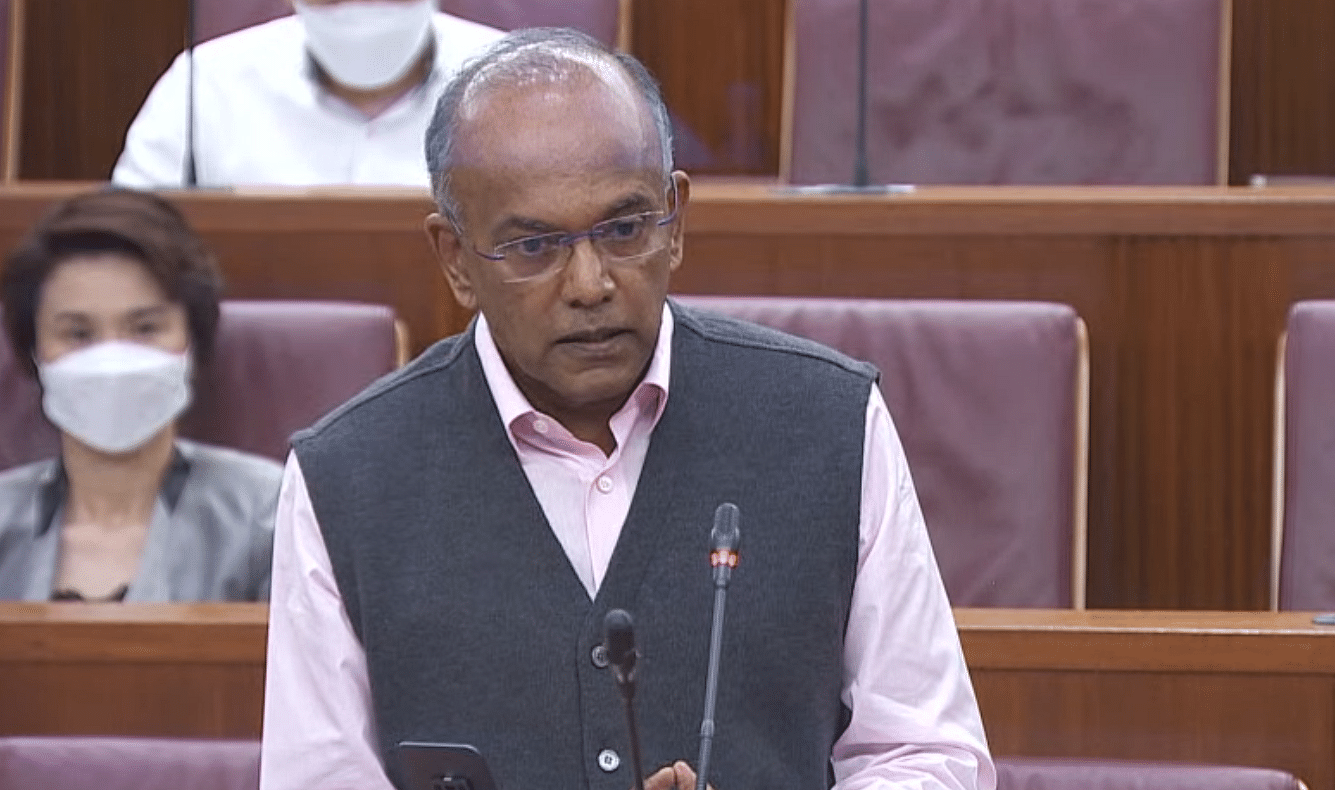
- Minister K. Shanmugam mentioned that the debate isn’t new; the more specialization, the better the legal service’s performance—now that they’re growing fast.
Who’s Steering?
The Public Service Commission’s chair will take on a dual role: vice‑president of both the JSC and the LSC. This gives Singapore’s top civil service a neat touch of cross‑departmental oversight.
Career Moves & Secondments
Officers can still shuffle between the two worlds:
- Secondments will be available to anyone who wants the taste of both branches—apply, get experience, and broaden your legal horizon.
- Permanent Transfers are on the table, but only under existing personnel regulations.
In summary, the split aims to fine‑tune Singapore’s legal ecosystem, letting each arm grow stronger on its own turf while still keeping the entire system cohesive. It’s a new chapter—you can almost hear the legal ballets of the future starting to dance.
Legal Service Commission Gets a Fresh Air of Independence
Short‑form recap: A fresh set of laws is set to unshackle Singapore’s Legal Service Commission (LSC) from the Public Service Commission (PSC). The move, backed by top‑tier legal minds, underscores the need for sharper specialization in a rapidly evolving legal world.
Who Voiced the Decision?
Mr K. Shanmugam announced that the decision followed consultations with the Chief Justice Sundaresh Menon and Attorney‑General Lucien Wong. He was quick to dispel any rumours that the LSC might be reshaped to sit closer to the PSC.
Key point: “The LSC must stay independent from the PSC,” Mr Shanmugam said. “It’s a cornerstone of our constitutional framework and protects the integrity and autonomy of our legal officers.”
Why the Change Matters
The chief justice welcomed the decision as a nod to specialization—a necessity in a judicial landscape that’s growing in complexity.
- Separate judicial and legal services allows the creation of specialized frameworks for personnel management.
- Targeted training and professional development can now address the specific needs of public sector legal officers.
- Boosts the overall quality of the legal workforce.
AG Lucien Wong echoed this vision, saying “as our country matures, this is a necessary step in the evolution of our legal framework.” He added, “We’ll keep raising legal officers to the highest calibre, with niche expertise to crack the toughest challenges.”
What Happens Next?
The two Bills will be read again in November. If they pass, the new structure will kick off in January next year. Mark your calendars—this isn’t just a legal tweak; it’s a structural revamp.
Originally from The Straits Times. Reproduction permission required.


