

When Nature Calls, Bricks Call Back
What’s Breathing New Life into Building Materials?
Traditionally, “boring” bricks are oven‑fired, temperature‑high and carbon‑heavy. But a bold new team at the University of Cape Town (UCT) decided that urine could be the secret sauce they were missing.
The Science Behind the Piss‑y Bricks
Their trick? Mixing “real” urine, sand and a crew of friendly bacteria called ureolytic microbes. The bacteria produce urease, an enzyme that turns the urea in urine into a harmless cement‑like salt. Left to dry at room temperature, the mixture hardens into solid bricks—without a single kiln.
The result is a stack of grey, weighty blocks that look just like ordinary limestone bricks when you’re in the right lighting. Take a look at the first three prototypes:
- They’re made from about 30 litres of urine (roughly eight gallons).
- The entire process takes six to eight days, from “spray to solid.”
- They’re built in a normal lab, with no environmental damage.
Why It Matters
Typical bricks come out of kilns scorching at 1,400 °C. The recipe for the UCT’s bio‑brick uses no heat, no fumes, just bacteria and a bit of pee. That’s a huge cut in carbon emissions, and it’s only the first step. The researchers are optimistic the method could replace standard clay and concrete sticks in a greener future.
What Do Students Think?
“It’s like having a miniature middle‑east coral reef right in the hallway,” laughed civil engineering master Suzy Lambert. “A bit gross, a lot cooler.” The team’s not just brewing jars of bacteria; they’re building the next generation of eco‑friendly buildings.
So next time nature calls, remember: your daily “flush” could become the cornerstone of a sustainable office or a brand‑new house.
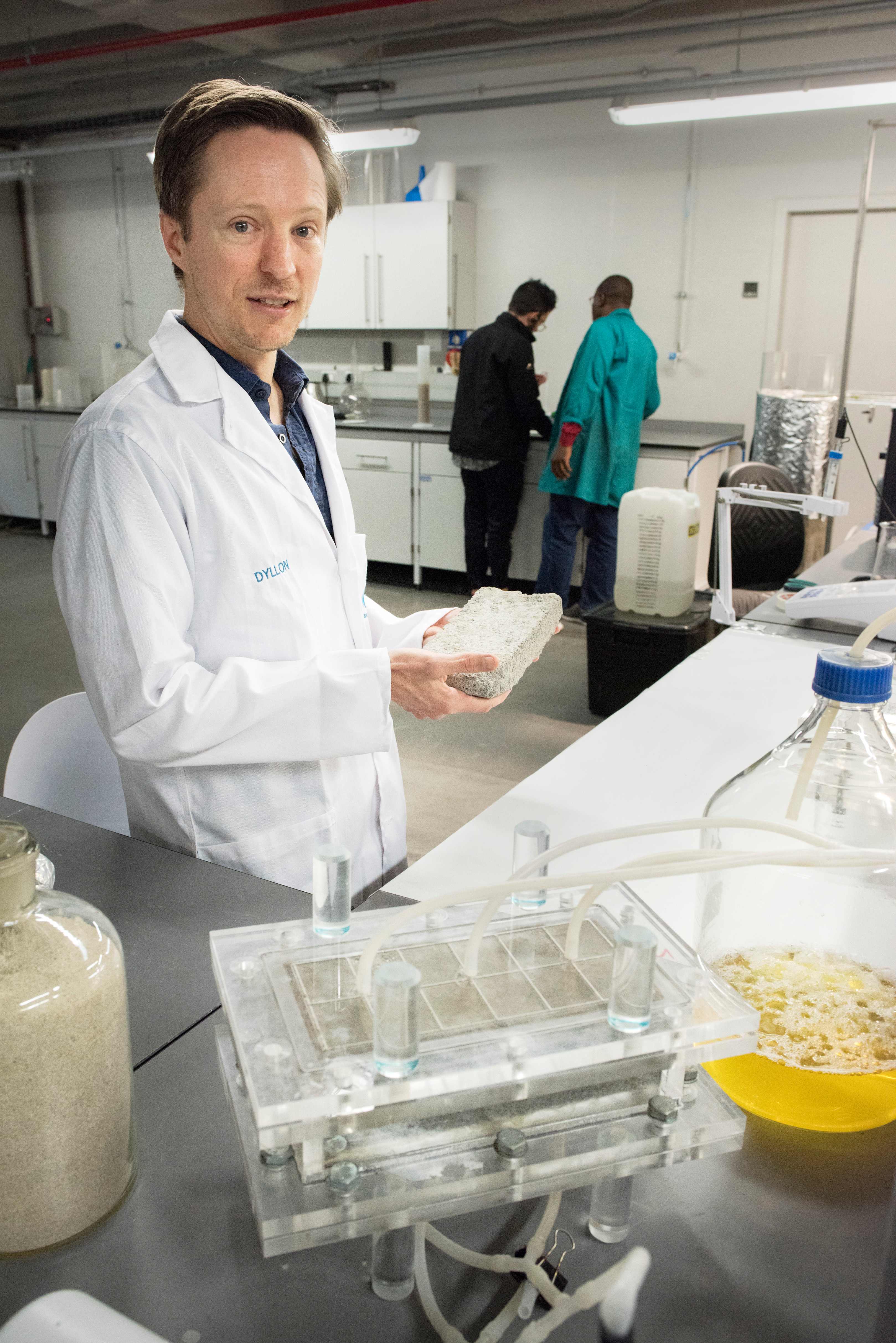
Revolutionizing Construction: The Bio‑Brick That Turns Urine into Building Blocks
Meet Dr. Dyllon Randall, a trailblazing engineer at the University of Cape Town who’s turning what most of us consider trash into treasure. His team’s first bio‑brick uses human urine as one of the binding agents, and it’s already gaining headlines worldwide.
What’s the Buzz About?
- Waste Gets a Second Life: “We take something that’s usually a waste stream—like urine—and make it part of a fully sustainable process,” said Randall.
- No Smell, No Problem: Concerns about a stinky odor? Fret not. That sharp ammonia fades away after just a few days of drying.
- Strength that Pieces Together: Fellow researcher Vukheta Mukhari explains the bricks can be customized for different building needs, and currently they’re as robust as the common bricks you find on the market.
Bio‑Bricks: The Old Holders and The New Kid on the Block
While the United States has been producing bio‑bricks using synthetic urine, Dr. Randall’s work is the first to exploit natural human waste. It’s a big deal because working with actual bodily fluids means the process is genuinely “biological” – no artificial add‑ons.
Will These Bricks Take Over From Clay and Concrete?
The answer is, price is the deciding factor. Right now, the team hasn’t even started crunching numbers; it’s still a long‑range vision. Randall is candid: “We’re still far from commercializing this on a full‑scale level, but the potential for efficiency gains is huge.”
The Numbers on the Table
- To make one standard brick, you need 20–30 litres of urine. Sounds like a lot, but remember 90% of urine is water.
- Plan to cut down this amount over the next few years – the team’s already working on smarter mixes.
Why It Matters
Imagine a world where our very own bodily waste becomes part of the city’s foundation. It’s a dream that’s moving from rows of lab benches in Cape Town to the possibility of sustainable buildings on every street. With more research, the day may come when we holler “waste no more” as the old saying goes.


