

Singapore’s Secret Sauce: Why It’s Tops the Human Capital Charts
Picture this: a country that, 50 years ago, couldn’t even make sure children were literate before they ticked off a few basic health checks. Fast forward to today and it’s topping global rankings in both education and healthcare—no thanks to a crazy rich elite, but thanks to a visionary government.
World Bank’s Big Takeaway at the Human Capital Summit
Jim Yong Kim, the World Bank’s president, dropped a truth bomb at the Human Capital Summit on Thursday, 11 October. He jabbed Singapore into the spotlight, referencing the popular novel “Crazy Rich Asians” as a playful foil. “It’s not the billionaire life you think it is,” he chuckled, and the audience roared with laughter.
This was part of a back‑and‑forth with Prime Minister Lee Hsien Loong, who reminisced about the early post‑independence steps that laid Singapore’s foundation. Lee reminded everyone that a nation can dramatically shift its trajectory when leaders decide to measure, commit, and innovate.
Human Capital Index: What It Measures
- Survival to age five
- Expected school years for a child
- Test scores
- Adult survival rate
- Stunted growth among kids under five
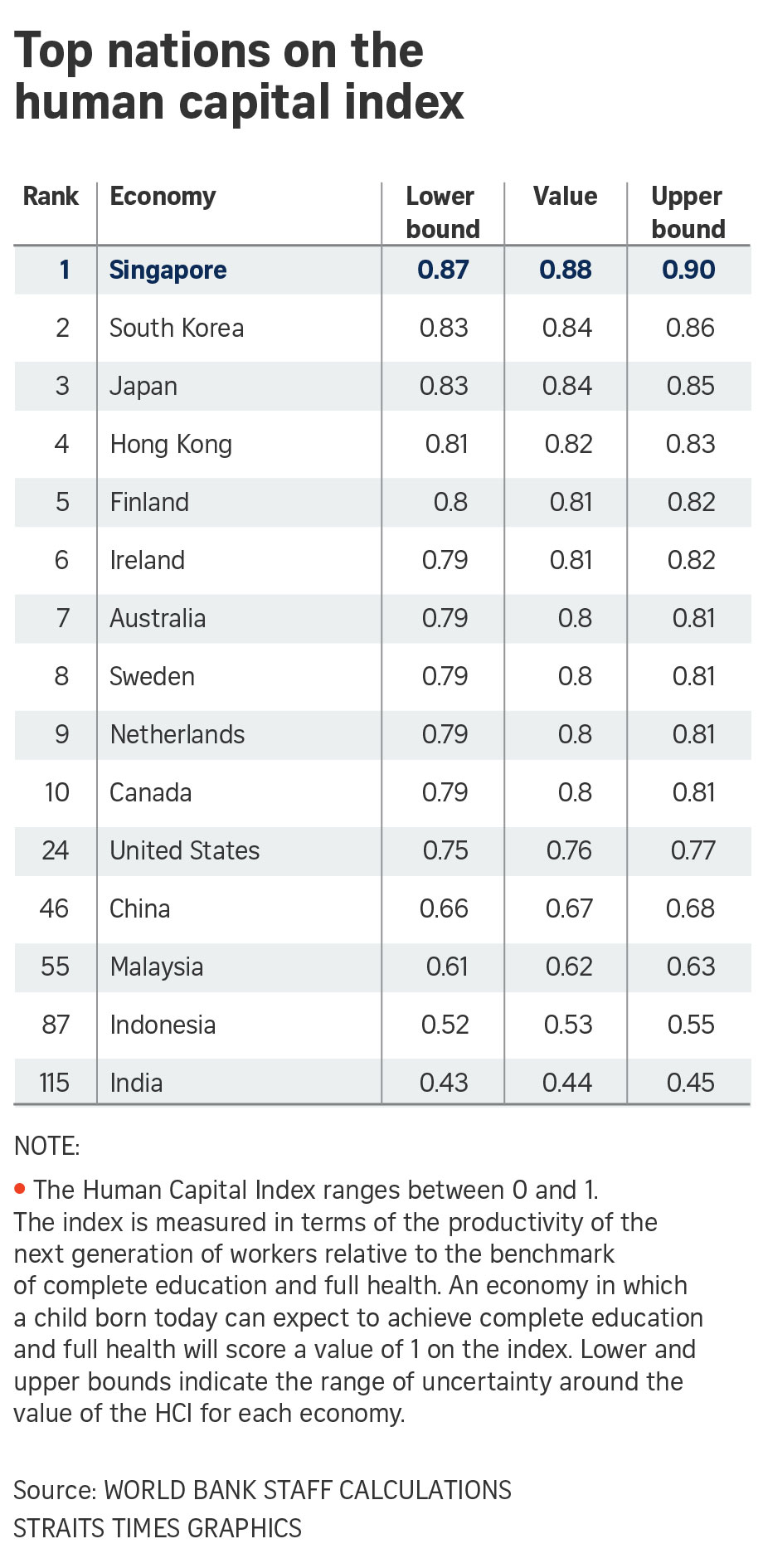
In a brand‑new launch, the World Bank’s inaugural Human Capital Index ranks countries on how well they nurture human capital. Singapore tops the list—its children today are expected to reach 88 % of their full potential when they grow up healthy and educated.
What Makes Singapore Tick?
Despite spending only 4.6 % of GDP on healthcare—less than the U.S. (18 %) and most of Europe (10‑12 %)—Singapore’s life expectancy rivals that of Britain and the U.S. Its infant mortality rate places it among the world’s lowest.
In an attempt to keep the elderly lively, Lee highlighted 70‑ and 80‑year‑old locals mastering ballet. “Staying active keeps them healthier and happier,” he said.
Education: Getting All Children on the Same Level
Even with a solid system, there’s still a gap at pre‑school. Some kids arrive at six with a printing press in their pocket; others only recognise letters. Lee’s mantra: everyone should start from a fair baseline. No matter your background or parent’s wealth, every child gets the same starting line.
Future‑Forward Lessons for Other Nations
Lee urged governments everywhere to ask: “Are we improving life for every person, not just a select few?” By raising basic living standards and aiding independence—think roofs, food, and safety—people can then turn their eyes to the future, sort out their finances, and educate their children.
Once everyone’s got that stable foundation, the country can reinforce its healthcare and education systems, paving the way for more prosperity and robust social services.
Key Takeaway
56 % of all children born today could lose half their potential earnings if governments don’t act. That’s why investing in health and education isn’t just charity—it’s a catalyst for economic growth.
In short, Singapore proves you can achieve world‑class health and learning outcomes by investing wisely, staying innovative, and ensuring everyone gets a fair shot at a bright future.
The Prime Minister Speaks (At Polls)!
Singapore’s chief executive, Lee Hsien Loong, has once again found himself in the spotlight—this time not in the headlines but on the dashboards of pollsters. A recent survey reached across cafés, offices, and even the occasional kitchen table, asking everyone “How do you feel about Sri Lankan’s looming debt crisis?” (well, actually it was “How do you feel about the economy?”). The findings were surprisingly model‑like—yes, even a style model would nod in approval.
Survey Highlights
1. Confidence in Economic Growth
2. Job Security
3. Small‑Business Outlook
4. Personal Savings Trends
5. Opinion on Monetary Policy
What Does All This Mean?
Lee Hsien Loong’s hand‑in‑hand approach to economic policymaking keeps residents feeling supported and re‑assured. The data tells us that while the general sentiment remains healthy, there are pockets of worry—particularly around automation and the rapid shift towards new industry ecosystems.
Going Forward
Key Takeaways
Want to Know More?
Drop by the Singapore Port of Trade or hop onto the NSL Live stream next week for a deeper dive into how this redisplays the country’s economic landscape. Whether you’re a door‑to‑door sales rep or a university professor, Lee Hsien Loong’s latest survey signals an exciting era—one where every citizen’s voice counts.


